
The Changing Dynamics of the Chandigarh to Manali Highway Corridor
The overland journey starting from the perfectly aligned urban grids of Chandigarh and ascending into the dramatic alpine terrain of Manali is an iconic travel experience across Northern India. Spanning roughly 270 kilometers, this essential highway corridor links the busy plains of the Punjab region directly to the snow-covered slopes of the Pir Panjal mountain range. Over the years, this route has undergone a massive structural shift, transforming from a slow and exhausting mountain climb into a highly streamlined and modern driving highway. For tourists landing at Chandigarh International Airport or arriving at the central railway station, selecting the right mode of onward travel sets the tone for their entire vacation experience. Relying on fixed-schedule transport services often brings strict timelines, crowded shared spaces, and the stress of managing heavy luggage across public platforms. Choosing a premium private outstation vehicle instead establishes immediate independence, personal safety, and custom comfort, turning a long highway transit into an enjoyable, scenic part of the holiday. As travel trends move forward in 2026, the movement along this route has improved significantly due to major infrastructure updates, advanced mountain tunnel installations, and heavily upgraded roadside service hubs. Understanding these infrastructure improvements, picking the ideal vehicle model, and finding transparent pricing models are vital steps for ensuring a smooth, stress-free drive to the hills.
Why Dedicated Private Car Rentals Offer Unmatched Travel Comfort
Navigating a massive climb from the lowlands of the Tricity up to the mountain altitude of Manali requires a transportation setup that prioritizes vehicle reliability and responsive handling. The transition from wide plain expressways to sharp mountain curves and shifting weather demands a solution that gives passengers complete control over their travel environment. Private outstation vehicles dominate hill tourism because they provide direct door-to-door integration, picking you up right from your home or terminal gate and dropping you off directly at your hotel lobby. This smooth continuity completely cuts out the exhaustion of dealing with local auto-rickshaws or unverified suburban shuttle buses at chaotic local terminals. Furthermore, private travel puts the clock entirely in the hands of the passenger, allowing your group to start at dawn or align your departure perfectly with a late-night flight landing. The private cabin environment guarantees excellent cleanliness and personal space, allowing you to manage the climate control, seat adjustments, and music exactly how your family prefers. Most importantly, mountain driving can cause physical fatigue and altitude sickness for children or elderly family members. A private vehicle lets you pause for fresh air or hydration at clean roadside plazas whenever needed, ensuring the entire group stays completely relaxed throughout the climb.
The 2026 Engineering Upgrades of the Kiratpur-Manali Expressway
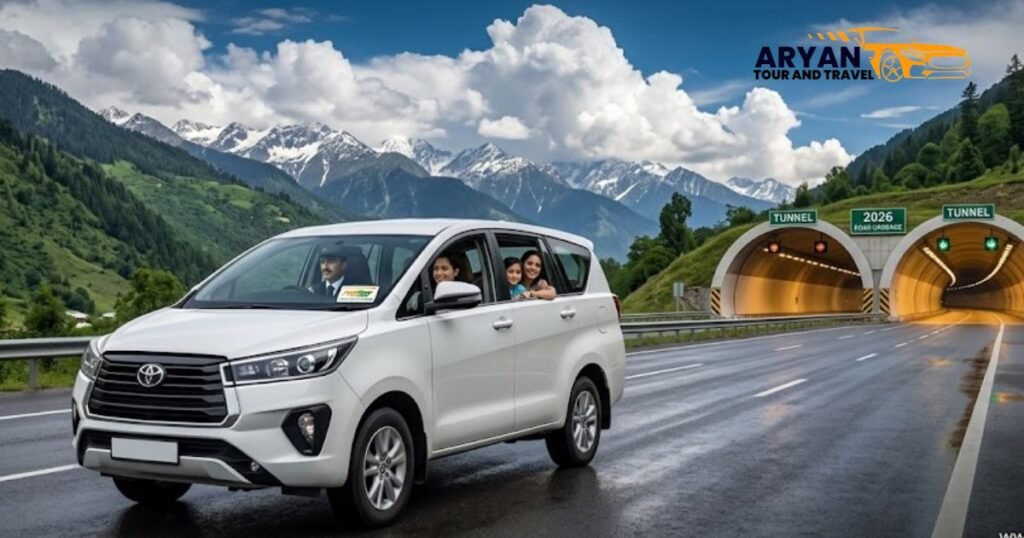
The physical driving experience across this mountain route has been completely updated by the full operational completion of the Kiratpur-Nerchowk section of National Highway 21, along with modern four-lane expansions through Mandi and Kullu. Historically, this specific highway was known for slow traffic bottlenecks, steep single-lane mountain passes, and long delays caused by heavy transport vehicles. The contemporary transit system utilizes advanced flyovers and elevated bypass roads to skirt around old, congested market centers like Bilaspur, Swarghat, and Sundernagar, reducing historical driving times by more than three full hours. The true highlights of this modern highway are the sophisticated, well-lit mountain tunnel systems that cut directly through dense rocky hills, allowing vehicles to completely bypass old landslide-prone surface roads during rainy or stormy conditions. The journey starts smoothly on the multi-lane lanes of the Himalayan Expressway before moving directly onto the newly engineered expressway segments where cars maintain safe, steady highway speeds. The road curves elegantly along the massive Govind Sagar reservoir, giving passengers beautiful panoramic views of deep blue waters set against bright green hills. Further north near Mandi, the highway tracks stunning river gorges where the road is carved beautifully into giant rock faces, before entering the wide Kullu Valley where you drive parallel to the rushing waters of the Beas River surrounded by pine forests and apple orchards.
Scenic Highway Landmarks and Essential Cultural Rest Stops
A well-planned Himalayan road trip should always be treated as an opportunity to experience the changing local culture and food along the highway rather than just a race to the destination. The drive between Chandigarh and Manali is packed with premium food courts, historic temples, and beautiful viewpoints that make perfect additions to your trip itinerary. As you leave the outer edges of the Tricity and approach the lower hills, the highway features modern multi-cuisine plazas that offer clean washroom amenities and an array of fresh food choices ranging from hot Punjabi paranthas to quick global cafe meals. Pausing at these hubs lets everyone stretch and prepare comfortably for the mountain curves ahead. Moving deeper into the hills past Mandi, the Pandoh Dam stands as an incredible structural attraction where the Beas River is diverted through massive underground tunnels to generate power. The designated highway viewpoint lets you take stunning photos of the bright emerald-green waters and feel the crisp mountain air. Another important cultural stop is the Hanogi Mata Temple, which clings dramatically to the base of a towering cliff face right next to the river. It is a deeply respected local tradition for drivers to pause here briefly to seek blessings for a safe hill journey, and the nearby footbridge offers a great vantage point to see the mountain river currents safely. Finally, entering the wide basin of the Kullu Valley brings you into a major hub for traditional textile crafts, where roadside cooperative showrooms allow you to watch master weavers create authentic Kullu shawls, blankets, and caps.
Vehicle Fleet Selection Matching Group Size and Luggage Needs
A smooth mountain journey depends heavily on selecting a vehicle model that matches your specific travel group size and luggage capacity. The winding hill terrain requires cars that combine strong engine power and stable suspension with plenty of interior cabin space to keep passengers comfortable over long periods of road travel. For solo adventurers, business professionals, or couples, a compact sedan like the Maruti Dzire or Toyota Etios is highly efficient, providing a comfortable, air-conditioned ride with enough dedicated trunk space for two standard check-in bags. Medium-sized family groups or small travel squads generally prefer premium executive SUVs like the Maruti Ertiga or Kia Carens, which balance interior cabin space with flexible seating layouts. For the ultimate standard in Himalayan road travel, the luxury Toyota Innova Crysta remains the top choice, featuring independent captain seats, superior shock absorption, advanced climate control vents for every row, and high ground clearance that glides smoothly over rough mountain roads. High-end business delegations or luxury travelers can choose premium all-terrain SUVs like the Toyota Fortuner for maximum roadside presence and leather-lined comfort. When managing large destination wedding parties, corporate retreats, or big extended family reunions, a spacious 12-to-26-seater Force Tempo Traveler is the ideal solution, offering comfortable pushback seats, massive overhead storage, and a shared environment that keeps the whole group together.
The Advantages of Smart One-Way Pricing Systems
Historically, the outstation taxi industry across Northern India relied on an old-fashioned round-trip pricing system that penalized travelers taking linear journeys. Even if a tourist only required a single drop-off from a Chandigarh airport gate to a mountain resort, operators would charge for the vehicle’s empty return trip, effectively doubling the real cost of the ride. The modern travel market has fixed this problem by introducing transparent, highly optimized fixed one-way fare packages. By using smart logistics tracking and keeping active vehicle bases stationed across Chandigarh, Mandi, and Manali, professional transport agencies can offer huge cost savings directly to travelers. Under this one-way system, you are billed exclusively for the exact distance from your starting pickup spot to your final drop-off address, making private luxury travel highly affordable. There are no hidden return-fare traps or unexpected empty-car fees passed on to the customer. Furthermore, reputable agencies build their quotes with complete financial transparency, ensuring that all national highway Fastag tolls, state border crossing permits, and local green entry taxes are clearly stated or included upfront, completely eliminating any stressful mid-trip financial disputes with your driver.
Professional Hill Drivers and Real-Time Fleet Safety Measures
Operating a passenger vehicle safely through high-altitude mountain highways requires a specific set of driving habits that are completely different from navigating flat city streets. Hill driving introduces unique road conditions, including sudden patches of low valley fog, morning ice sheets on shaded mountain corners, brake-wear risks during long downhill drives, and seasonal land slips. Because of this, verifying the safety protocols and driver standards of your chosen taxi service is an absolute priority for a secure holiday. Premium outstation car agencies manage this by using strict driver screening and ongoing vehicle tracking measures. Chauffeurs assigned to these mountain routes must possess clean driving records and multiple years of verified experience handling commercial vehicles through the steep terrains of Himachal Pradesh. These drivers undergo regular defensive driving training, learning how to use engine braking correctly on downward mountain passes and how to track changing weather conditions proactively. Additionally, all drivers are fully vetted through local police background checks to ensure polite, professional service. The vehicle fleet is also equipped with live GPS tracking systems and built-in speed governors, allowing a centralized operations team to monitor your trip progress in real time, enforce safe speed habits, and provide immediate backup support if an unexpected mechanical issue ever occurs.
Planning Your Journey Around Manali’s Seasonal Weather Changes
Manali experiences beautiful seasonal transformations throughout the year, with each distinct phase bringing unique highway conditions that smart travelers should plan around for a smooth trip. The winter months from December to February draw large crowds looking to experience fresh snowfalls and winter sports in the valley. Driving during this peak winter season requires extra care, as freezing night temperatures can cause thin layers of black ice to form on shaded road turns near the town. Experienced hill drivers manage this by adjusting departure times so that the vehicle crosses these specific cold sections during the middle of the day when the bright mountain sun has thoroughly warmed and cleared the pavement. The spring and summer months from March to June offer a refreshing escape from the intense heat waves of the Indian plains, causing a major surge in family vacationers heading up the highway. Because vehicle demand climbs rapidly during this peak holiday window, it is smart to book your travel packages well in advance to lock in affordable rates and schedule early morning departures to easily beat the afternoon traffic lines. The monsoon season from July to September turns the hills incredibly green and fills the valley with roaring waterfalls, but the heavy rains can also cause sudden land slips and road maintenance slow-downs. Traveling with a reliable, centrally monitored fleet during these months is vital, as experienced drivers use live navigation updates to easily bypass active repair zones and guide you safely through the changing mountain landscapes.